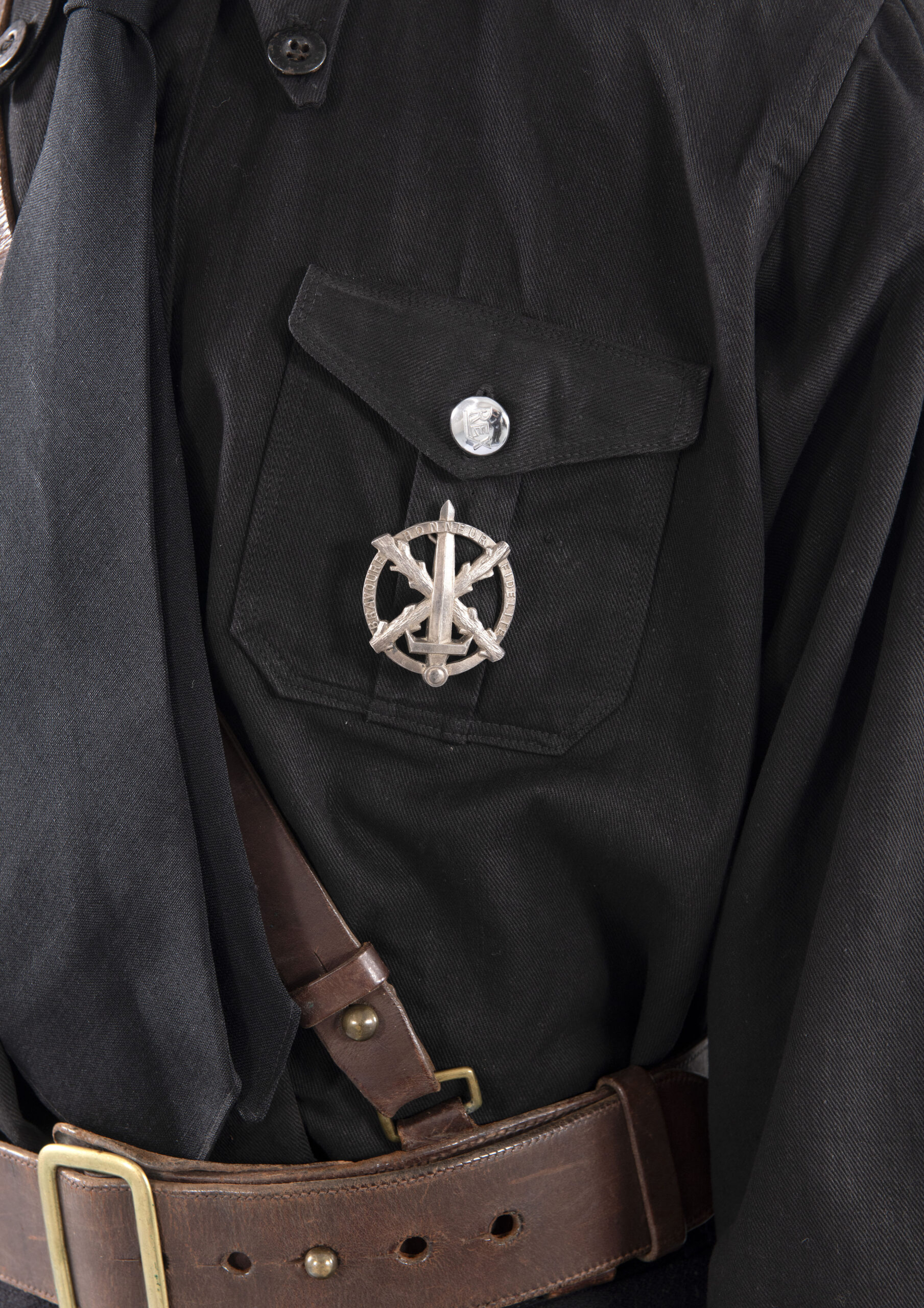
Rex Uniform
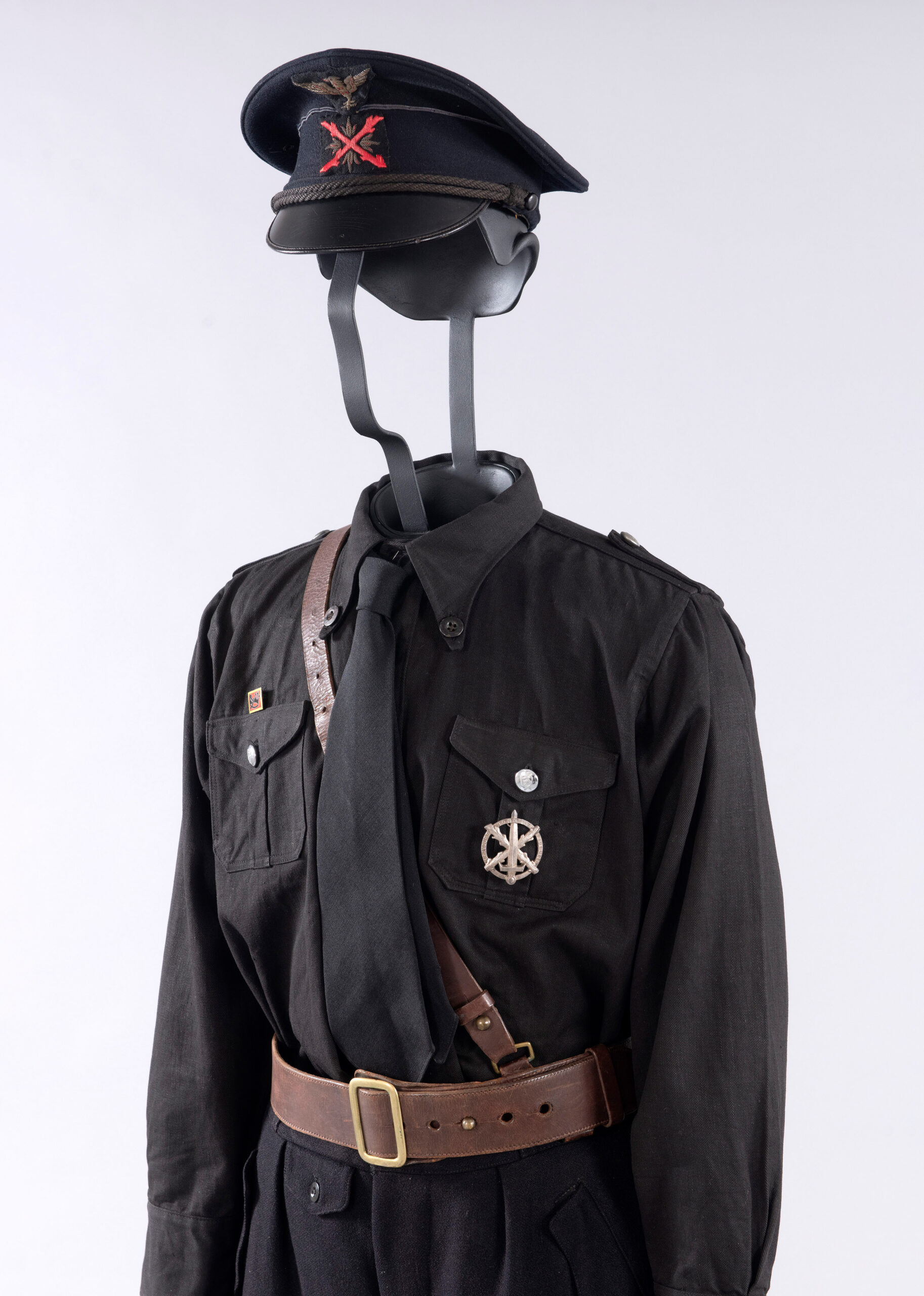
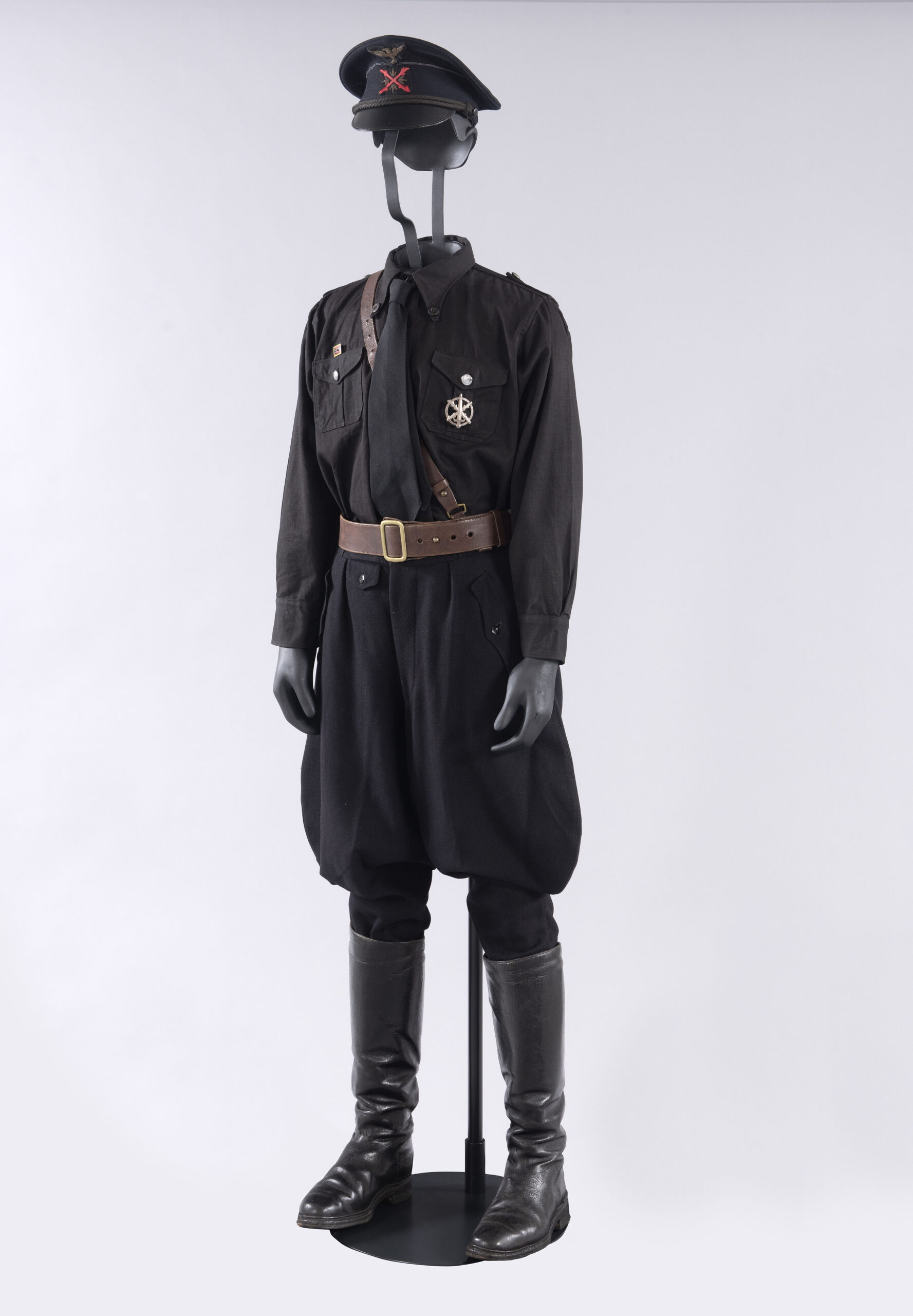
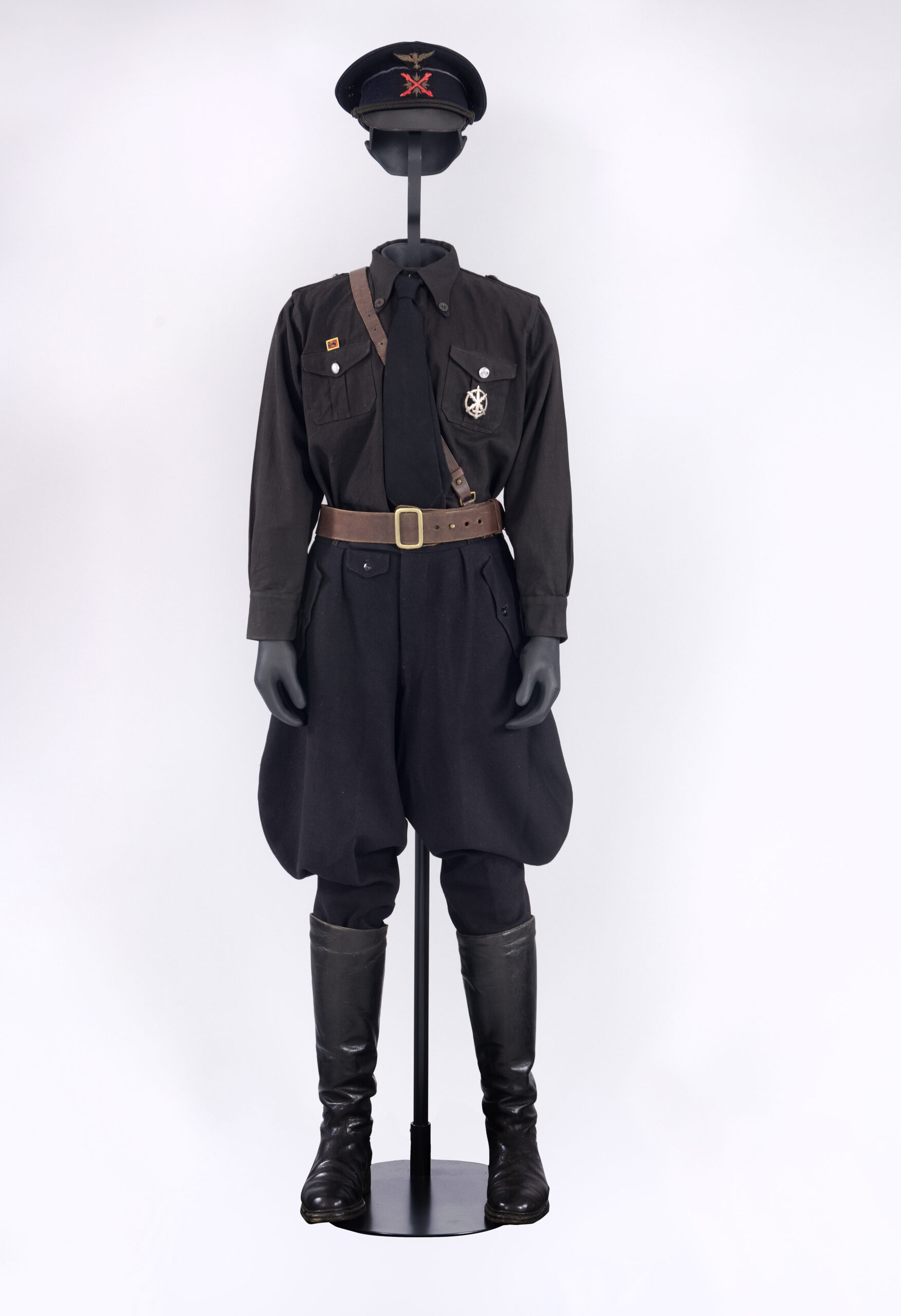
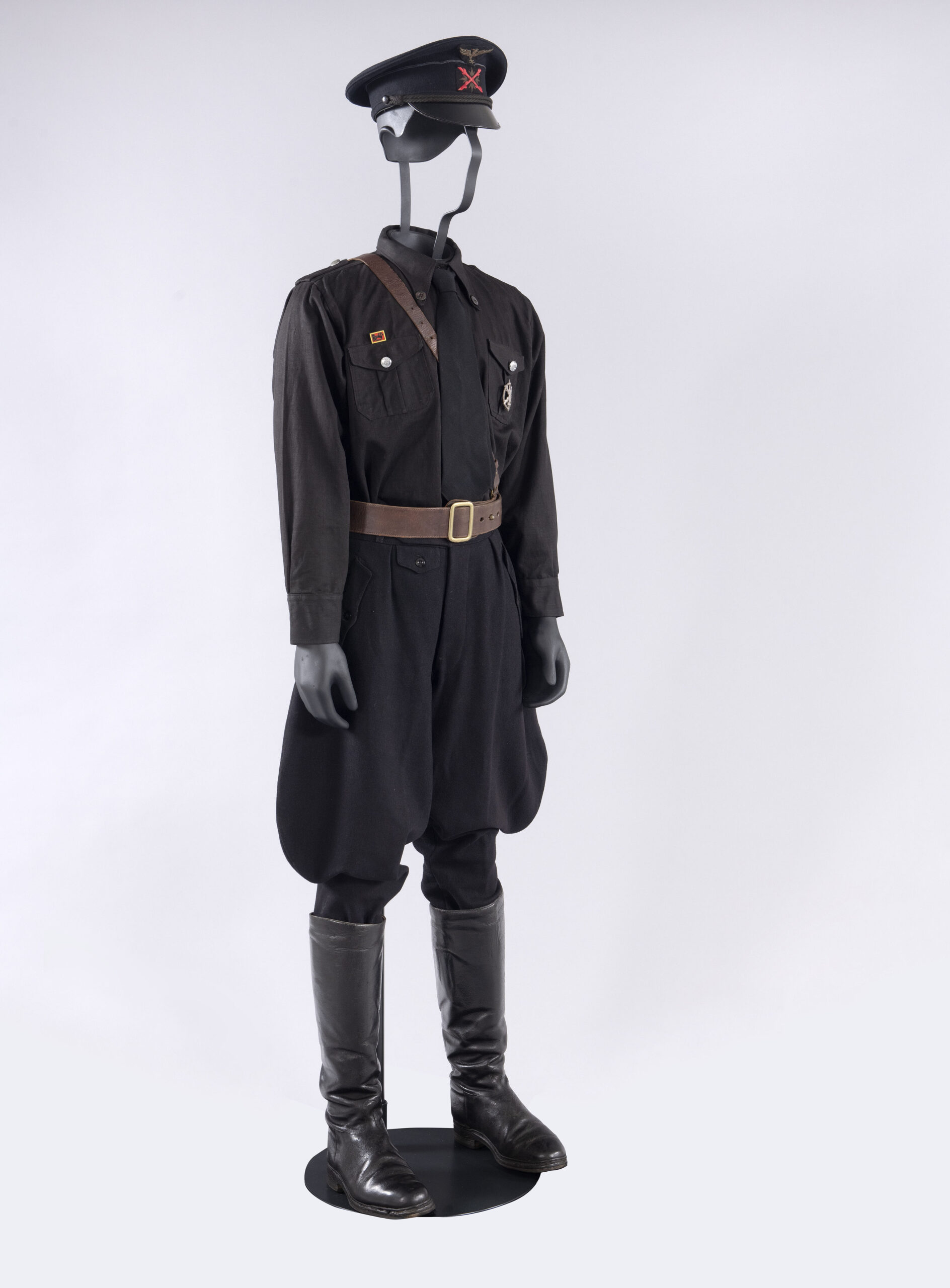
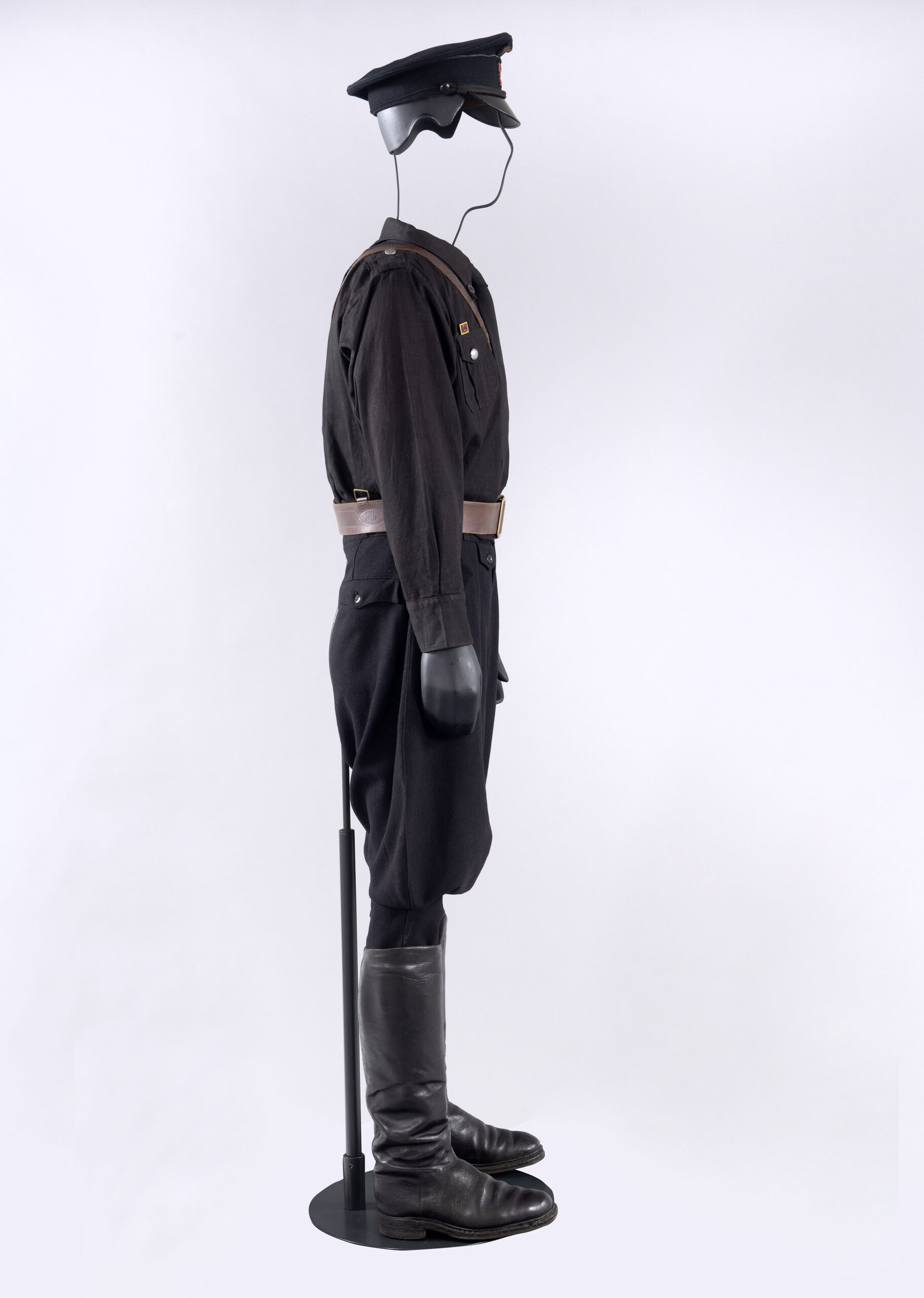
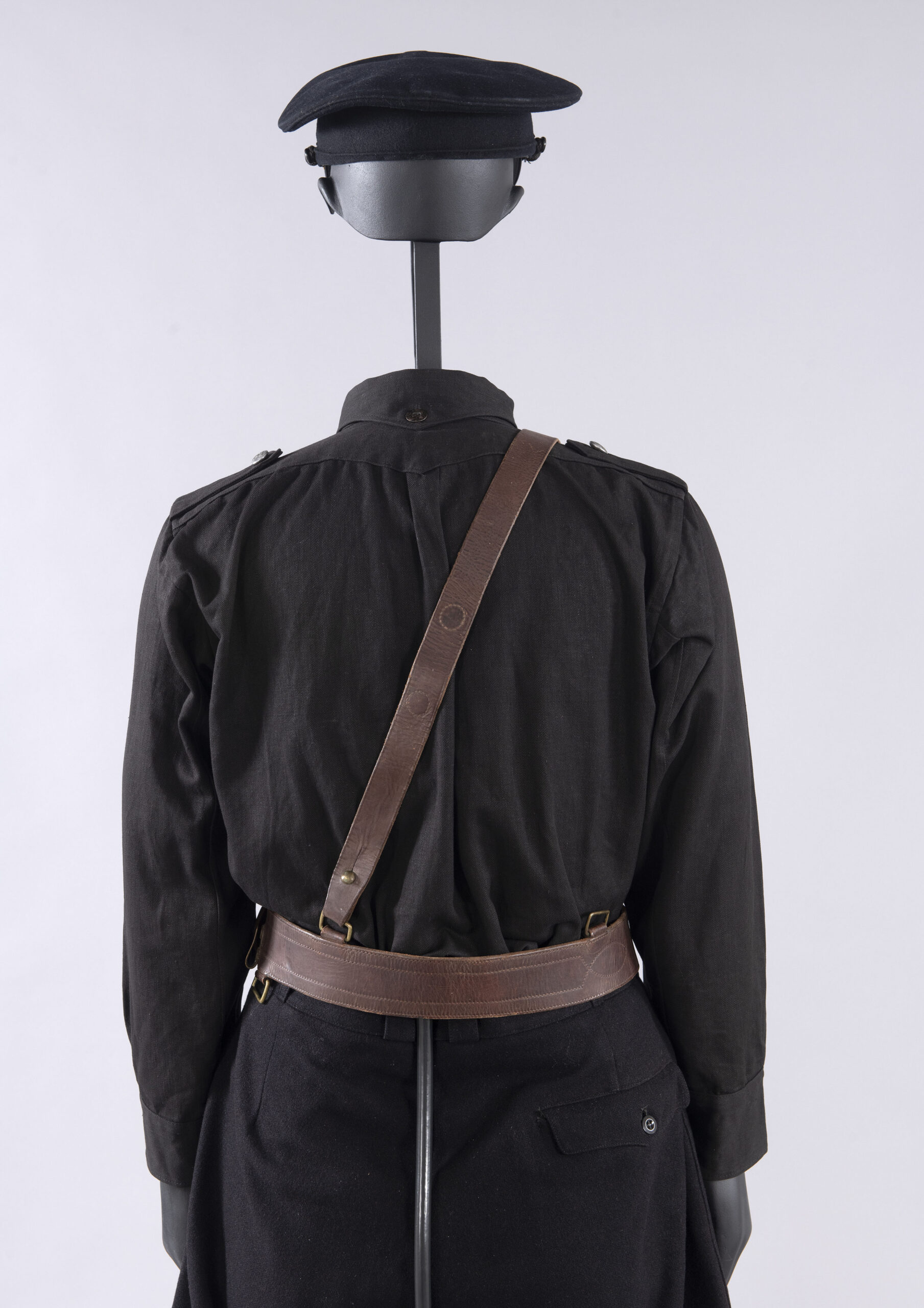
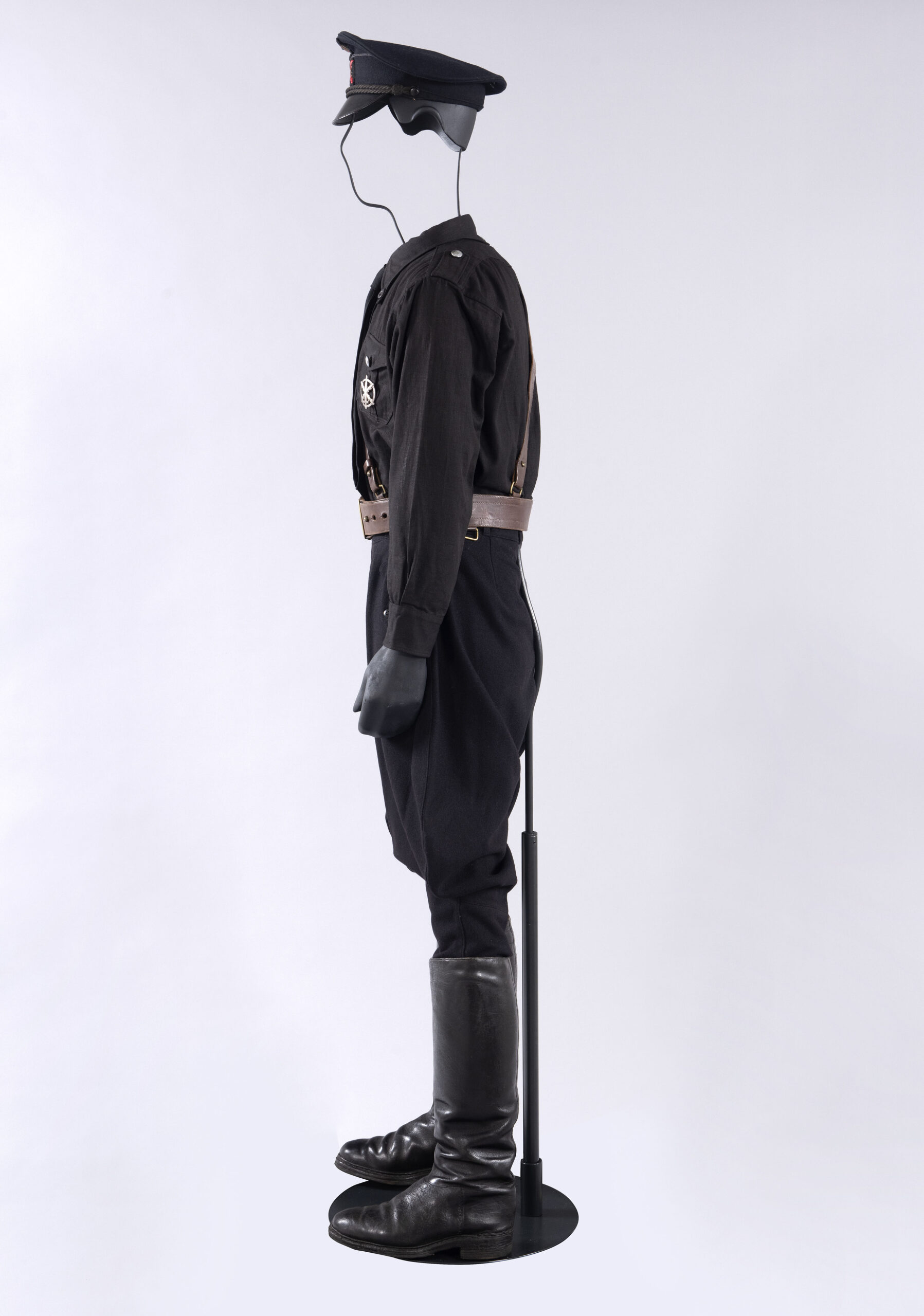
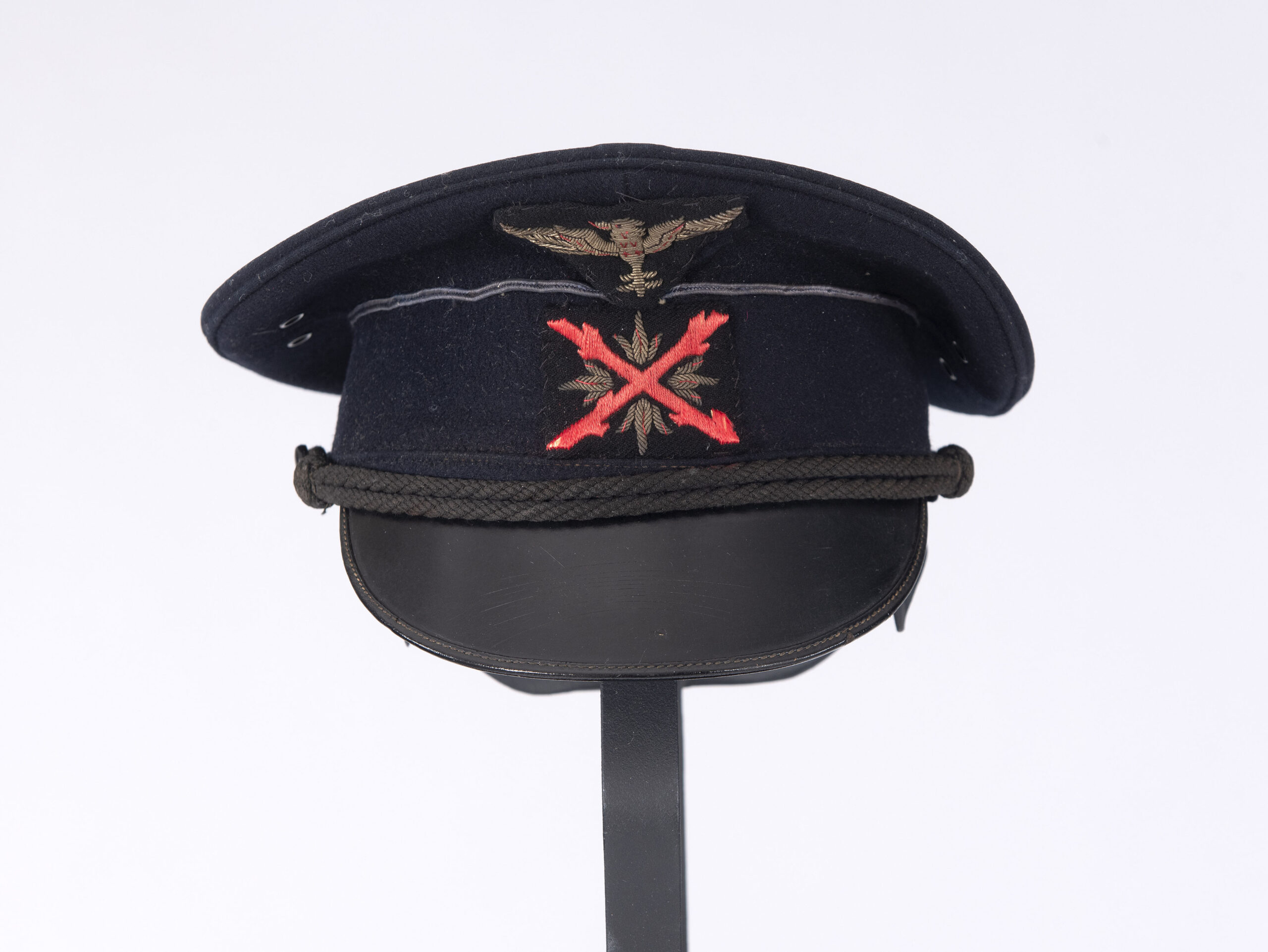
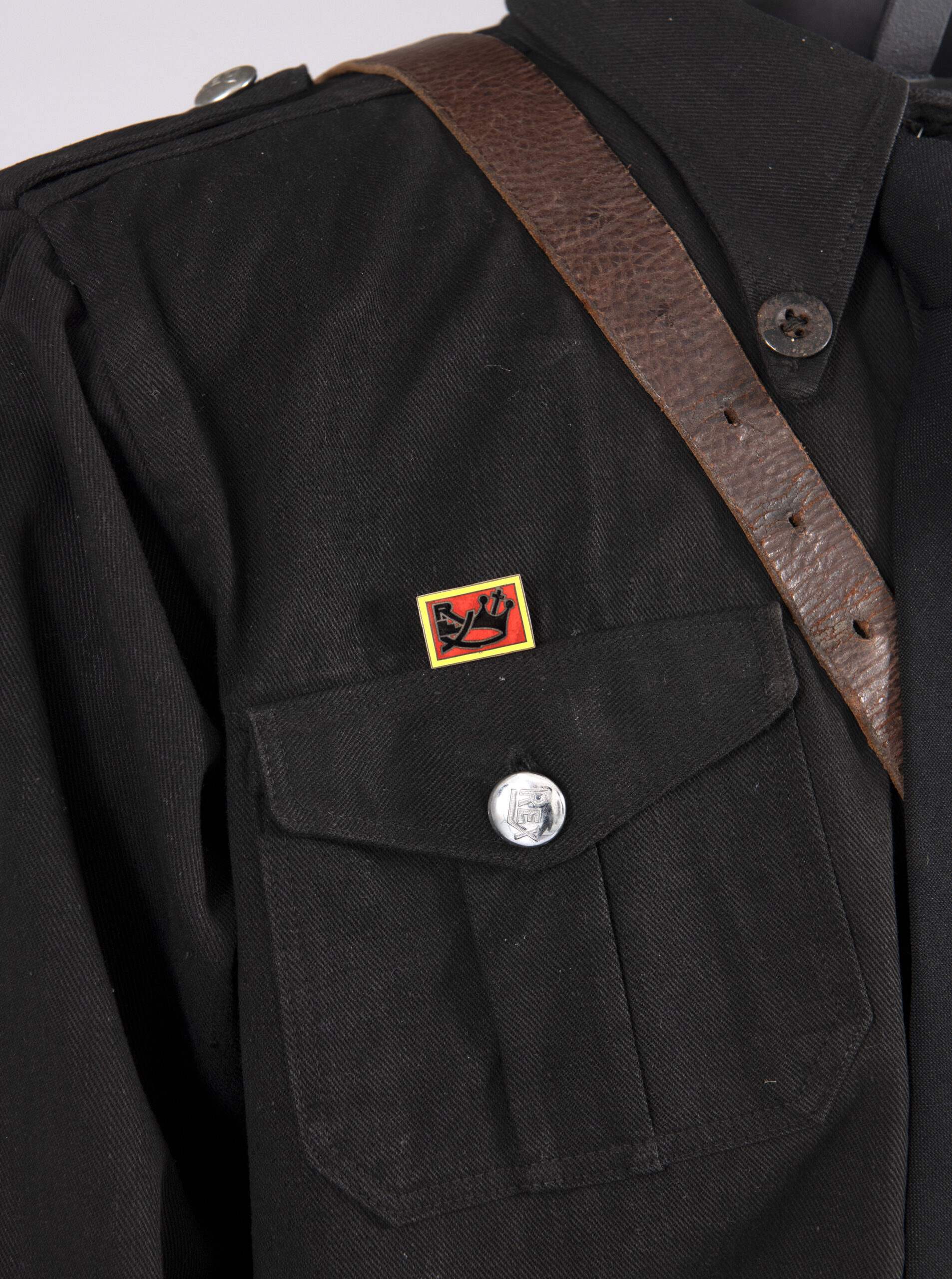
Uniform of a senior functionary within the Belgian Catholic-fascist Rexist Party. Its cap bears the movement’s symbol, the medieval Cross of Burgundy. This cross is also seen on the ‘Blood Order’ (Rexist Honor Badge) pinned to the shirt’s left-breast pocket, inscribed with the words “bravery”, “honor” and “loyalty” in French. The old red party badge can also be seen on the right-breast pocket, bearing the party’s original emblem.
Founded by Léon Degrelle in 1935, the Rexist Party was named after Christus Rex (Latin: Christ the King). It presented itself as a third-positionist alternative to both the democratic and communist systems, and was highly critical of governmental corruption and what its members perceived to be collusion between high finance and Belgium’s liberal-democratic establishment. While the Rexists garnered only moderate support in Belgium’s pre-war elections, it cooperated fully during the German occupation of the country, performing security, propaganda and administrative duties within the Walloon (French-speaking) territories. With the total victory of the Wehrmacht in the West, Degrelle and his Rexists saw collaboration as the only path to political power and future national sovereignty.
Upon the outbreak of the invasion of the Soviet Union, Degrelle established the Walloon Legion with his fellow Rexists, a Belgian military unit that fought alongside the regular Germany Army and Waffen-SS. The Legion was comprised exclusively of Walloon volunteers and commanded by Léon Degrelle, the latter whom was personally commended and knighted by Adolf Hitler on August 27th, 1944 for his bravery in service.
With his deepening ties to the Schutzstaffel (SS), Degrelle began to speak of reinstating the medieval Duchy of Burgundy as a modern polity, with Belgium at its core and further lands carved out of France. The Burgundian state was to be led by a warrior elite and would span both Romance and Germanic lands. While Reichsführer-SS Heinrich Himmler endorsed the concept which he saw as derived from a longstanding German strategic tradition, Hitler remained skeptical, while the French viewed the project as overtly hostile to their interests. This geopolitical ambition no doubt played a role in the shift in the movement’s symbolism from the crown of Christ to the Cross of Burgundy, adopted from the days of the medieval Duchy.
While the Legion fought at the front, the Rexist militia patrolled the streets and maintained security on the Belgian home front. The militia’s anti-terrorism operations would come to incur civilian casualties, resulting in rising resentment and resistance activity from the population. This in turn provoked further reprisal killings by the Rexists, leading to popular support for the movement largely collapsing by the country’s ‘liberation’ in 1945.
Free shipping on orders over $50!
- Satisfaction Guaranteed
- No Hassle Refunds
- Secure Payments
Uniform of a senior functionary within the Belgian Catholic-fascist Rexist Party. Its cap bears the movement’s symbol, the medieval Cross of Burgundy. This cross is also seen on the ‘Blood Order’ (Rexist Honor Badge) pinned to the shirt’s left-breast pocket, inscribed with the words “bravery”, “honor” and “loyalty” in French. The old red party badge can also be seen on the right-breast pocket, bearing the party’s original emblem.
Founded by Léon Degrelle in 1935, the Rexist Party was named after Christus Rex (Latin: Christ the King). It presented itself as a third-positionist alternative to both the democratic and communist systems, and was highly critical of governmental corruption and what its members perceived to be collusion between high finance and Belgium’s liberal-democratic establishment. While the Rexists garnered only moderate support in Belgium’s pre-war elections, it cooperated fully during the German occupation of the country, performing security, propaganda and administrative duties within the Walloon (French-speaking) territories. With the total victory of the Wehrmacht in the West, Degrelle and his Rexists saw collaboration as the only path to political power and future national sovereignty.
Upon the outbreak of the invasion of the Soviet Union, Degrelle established the Walloon Legion with his fellow Rexists, a Belgian military unit that fought alongside the regular Germany Army and Waffen-SS. The Legion was comprised exclusively of Walloon volunteers and commanded by Léon Degrelle, the latter whom was personally commended and knighted by Adolf Hitler on August 27th, 1944 for his bravery in service.
With his deepening ties to the Schutzstaffel (SS), Degrelle began to speak of reinstating the medieval Duchy of Burgundy as a modern polity, with Belgium at its core and further lands carved out of France. The Burgundian state was to be led by a warrior elite and would span both Romance and Germanic lands. While Reichsführer-SS Heinrich Himmler endorsed the concept which he saw as derived from a longstanding German strategic tradition, Hitler remained skeptical, while the French viewed the project as overtly hostile to their interests. This geopolitical ambition no doubt played a role in the shift in the movement’s symbolism from the crown of Christ to the Cross of Burgundy, adopted from the days of the medieval Duchy.
While the Legion fought at the front, the Rexist militia patrolled the streets and maintained security on the Belgian home front. The militia’s anti-terrorism operations would come to incur civilian casualties, resulting in rising resentment and resistance activity from the population. This in turn provoked further reprisal killings by the Rexists, leading to popular support for the movement largely collapsing by the country’s ‘liberation’ in 1945.